LinuxBSDnews

Archive for the ‘openfiler’ Category

LVM configuration on Openfiler 2.3

February 7th, 2010 • Category: Tutorials/Tips,openfiler

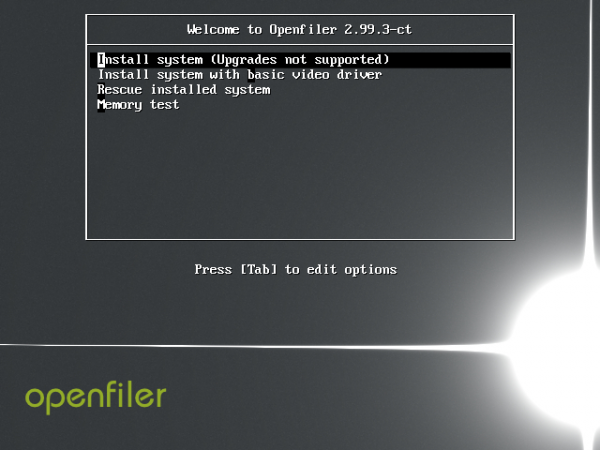
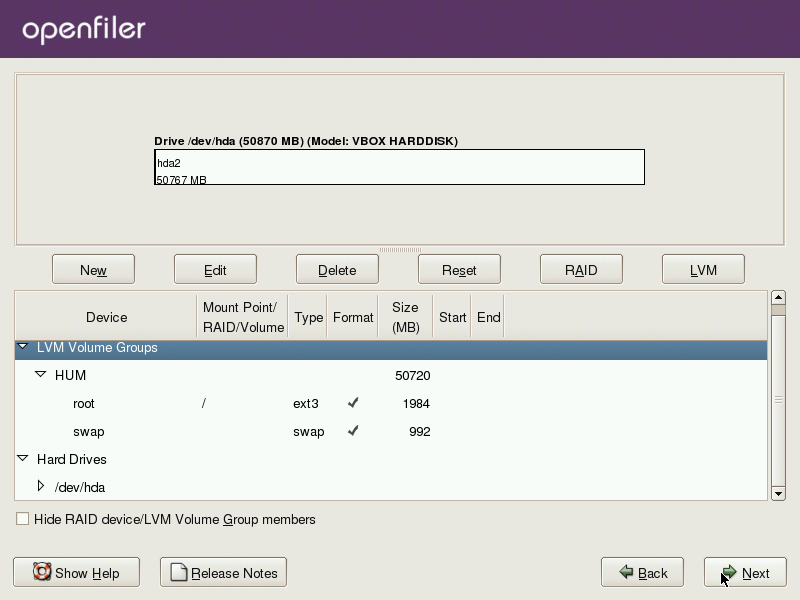
OpenfilerOpenfiler is one of two free and open source NAS/SAN applications in active development (the other one is FreeNAS). By default, Openfiler is installed to hard disk using the traditional Linux disk partitioning system. Linux Logical Volume Manager (LVM) adds a layer of flexibility to disk space configuration and management that is not possible with the traditional method of disk partitioning. Fedora, Debian and Mandriva have installers with automatic LVM partitioning features. With Openfiler, however, your only option is by manual configuration. This tutorial offers a step-by-step guide to installing Openfiler on disk using LVM.

By default, Openfiler creates the following partitions – the sizes are in parenthesis:

  • /boot (101 MB)
  • swap (1020 MB)
  • / (the rest of the disk space is allocated to the /, the main system partition)

Openfiler 2.3 and Interface Bonding

November 20th, 2008 • Category: Tutorials/Tips,openfiler

OpenfilerOpenfiler is an rPath Linux-based, free and open source NAS/SAN software solution. We have previously written a comparative review of Openfiler and FreeNAS, the other free and open source NAS/SAN software solution. One of the networking features of Openfiler is interface bonding. In this tutorial, we provide some guidance on how to configure interface bonding in Openfiler 2.3, the latest stable version.

Openfiler 2.3 Administrator Guide

October 24th, 2008 • Category: Tutorials/Tips,openfiler

OpenfilerOpenfiler is one of two active, open source NAS/SAN solutions that we have listed on this site. The other one is FreeNAS, a BSD-based distribution. A feature comparison of these two projects is available here

FreeNAS vs Openfiler

October 6th, 2008 • Category: comparative reviews,openfiler

FreeNAS is a server distro that is based on m0n0Wall, which itself is based on FreeBSD code. Openfiler is also a server distro, but it’s based on rPath Linux (kernel 2.6.x). So, aside from both being UNIX-like, server distros, are there any major differences between them? Yes, but they also have a lot (of features) in common.

Copyright © • LinuxBSDos.com